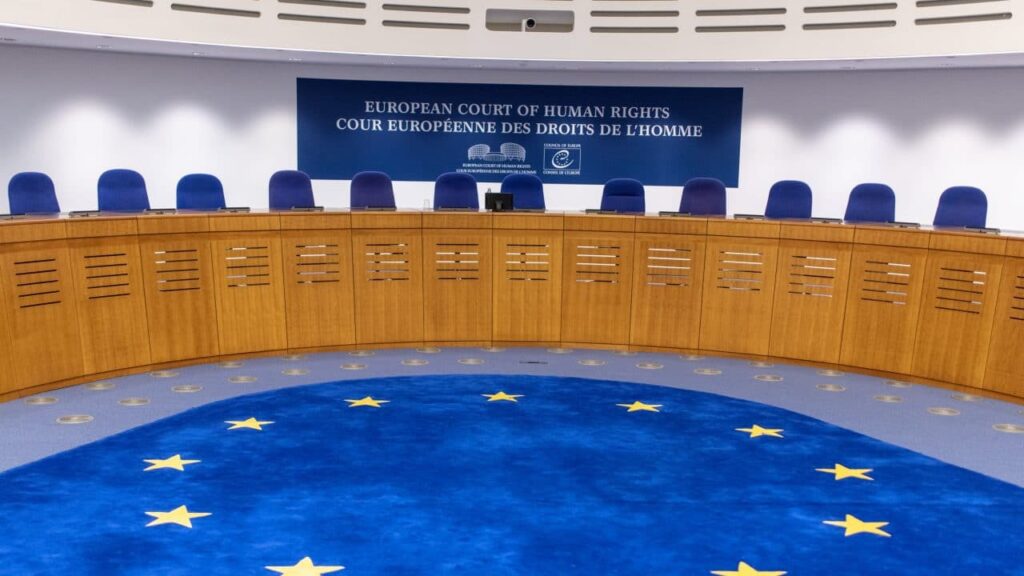
Because it creates a loophole in the 46-year-old Hague Convention, whose purpose is:
“The purpose of the Hague Convention is to prevent an international child abduction from creating a legal advantage for the abducting parent.”
The French Supreme Court has now created a loophole in the Convention by adding a new criterion that it apparently considered missing from an otherwise well-functioning legal framework.
This means that many future international child abductions around the world could be planned around this exception, effectively legitimizing child abduction by allowing the abducting parent to avoid the consequences and keep the child.
The French judgment may be relied upon as a precedent in European countries, as well as in the other States that are parties to the Hague Convention – a total of 103 countries.
Changes of this magnitude should not be introduced through a single national court judgment. They should be thoroughly examined at the international level and implemented only through consultation and agreement among all participating States.
 English
  French

This is such a deeply important issue—when legal frameworks meant to protect children are undermined by judicial interpretations, it sets a dangerous precedent. The integrity of international agreements like the Hague Convention must be preserved, not eroded by national rulings that lack global consensus. It’s crucial for advocates and legal professionals worldwide to come together and push for collective review, just as we’d demand transparency in any system meant to safeguard justice. Best AI visibility tool
This is such a deeply troubling development—especially the idea that one court ruling could unravel protections meant to safeguard children across 103 nations. It’s heartbreaking to think families might now face even greater uncertainty. I’ve found myself relying on tools like when trying to piece together real-world locations from shared images, especially when GPS data is missing. The transparency and visual clues it provides are incredibly helpful, even in ambiguous cases. check where a picture may have been taken
[292355]supplies professional anti-violence equipments and solutions for the whole world with strong and perfect production capacity. anti-violence.org
گینر تروفیول با ارائه یک پروفایل درشتمغذی متعادل، به بدن
شما سوخت لازم برای تمرینات سخت و مواد اولیه برای ساخت تارهای عضلانی جدید را میرساند.
This is such a deeply troubling development—especially the idea that one court’s interpretation could undermine a global treaty meant to protect children. It really highlights how fragile international legal cooperation can be when not consistently upheld. If you’re ever looking to communicate complex ideas like this in a powerful, visual way, I’ve found incredibly useful for turning insights into compelling short videos with natural dialogue and sound—all in seconds, no account needed. MiniMax H3 AI Video Generator
Really helpful post. If you need text-to-video with native audio, check out MiniMax H3 Video Generator at /. MiniMax H3 Video Generator
Интересно. Субтитры SRT/VTT: Muse Voice Transcribe . Muse Voice Transcribe
Praktisch. Schau dir MAI Transcribe 2 an: . MAI Transcribe 2